
When to go: Andalusia through the seasons
Orange blossom and processions in spring, white heat in summer, olive harvests in autumn and snow above Granada in winter. How each season changes the trip, and the kind of place to book.
The honest answer to the question of when to visit Andalusia is another question: what do you want to do? The south of Spain changes character completely through the year. The courtyard that smells of orange blossom in March is a shaded refuge in August, and the terrace where you lingered over lunch in October may be chilly after dark in January. Choosing the season is really choosing the trip, and the kind of place you want to stay in.
Choosing the season is really choosing the trip, and the kind of place you want to stay in.
Spring: blossom, processions and fairs
From March to May Andalusia is at its most generous. Wildflowers cover the verges and hills, orange blossom scents the cities, and temperatures are pleasant enough to walk all day. It is also the season of the great festivals. Holy Week brings processions to towns and cities across the region, followed in Seville by the April Fair. In May, Jerez holds its Horse Fair and Córdoba opens its courtyards for the patio festival.
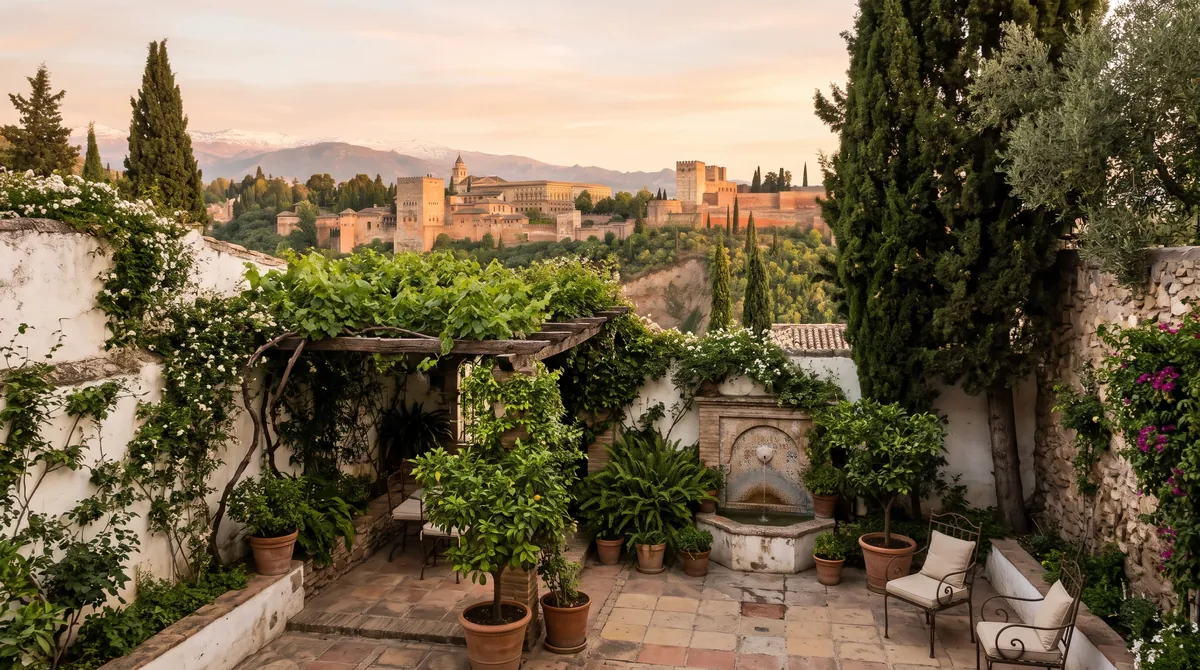
The Fiesta de los Patios in Córdoba has been on the UNESCO list of intangible cultural heritage since 2012, and it is one of the loveliest reasons to travel in May: private courtyards, their walls hung with pots of geraniums and climbing plants, open their doors to visitors. The catch of spring is demand. Festival weeks fill quickly, and in the cities a small hotel may need to be booked months ahead for Holy Week.
Summer: heat, coast and mountains
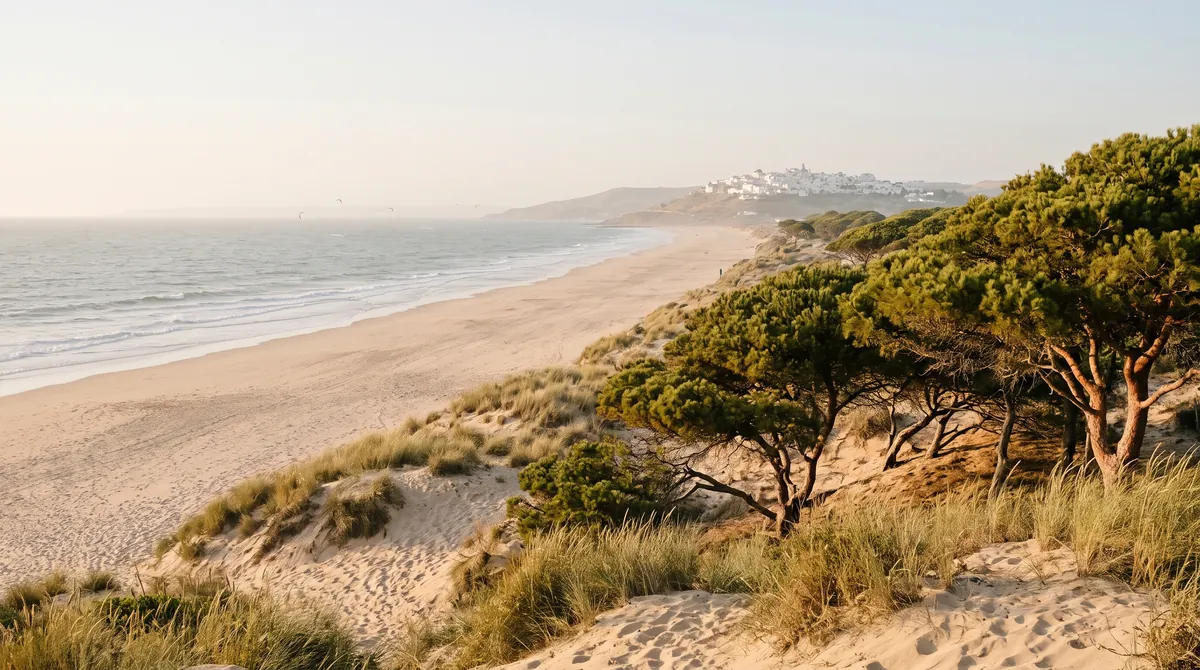
From June to September the south is very hot inland. In July and August Seville and Córdoba often pass 40 °C, and the afternoon heat empties the streets. The coast and the mountains are more comfortable, with sea breezes on the shore and cooler nights in the sierras, where you may want a light jumper after dinner. Many locals take their holidays in August, so beaches and mountain villages are lively while some city shops and bars close for part of the month.
If you visit the cities in summer, follow the local rhythm. Plan sightseeing early and late in the day, rest in the hottest hours, drink plenty of water and save the long walks for after sunset. A hotel with a pool, thick walls and good air conditioning makes the difference between a hard trip and a happy one.
Autumn: harvests and walking weather
October and November bring warm days and cooler nights, and for many travellers this is the finest season of all. The light softens, the sea often stays warm enough for a swim well into October, and the hills turn green again after the first rains. The season opens on the heels of the grape harvest in September, and the olive harvest usually starts in November and runs into winter, with nets spread under the trees and the smell of fresh oil around the mills.
Autumn is above all the season for walking. The paths of the Sierra de Grazalema and the Sierra de Aracena are pleasant again, the chestnut woods change colour, and you can hike between villages without fear of the midday sun. The cities are comfortable for exploring on foot, and outside holiday weekends small hotels are calmer than in spring.
Winter: quiet cities and almond blossom
From December to February the coast is mild and often sunny enough for lunch outside, while inland nights are cold and the mountains can be properly wintry. Snow covers the Sierra Nevada above Granada, so a city break and a few days of skiing can share one trip. The cities are quiet, the light is clear, and the great monuments feel more personal without the crowds.
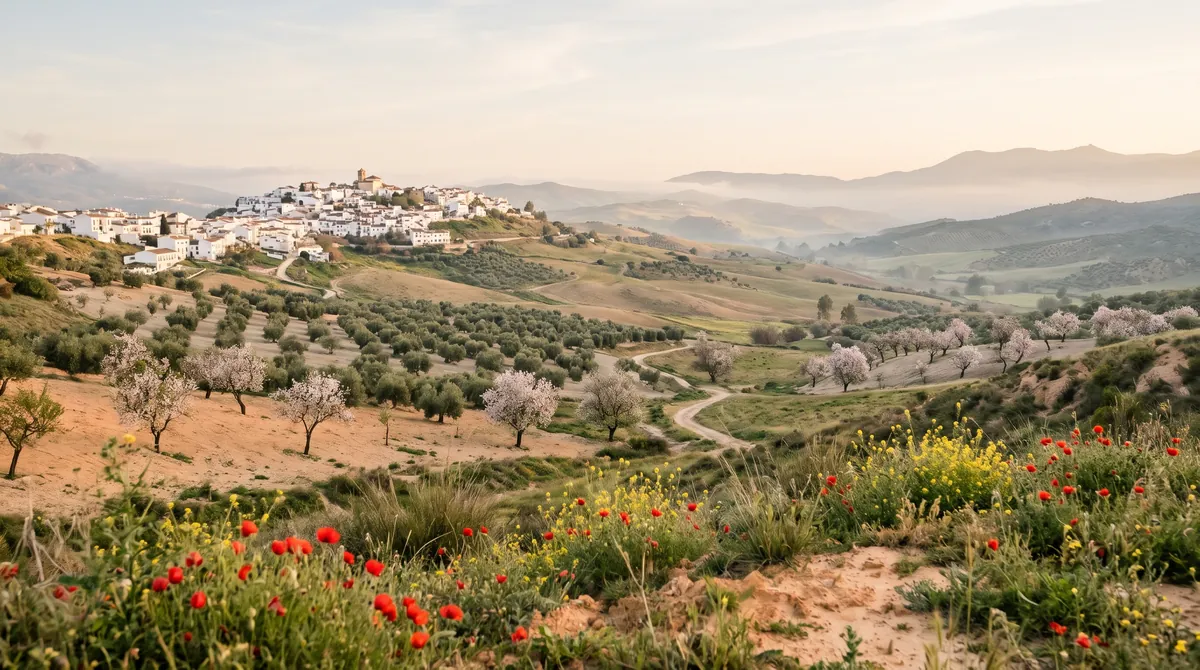
From late January the almond trees blossom, and whole hillsides turn white and pale pink while the rest of Europe is still grey. For many travellers it is the most beautiful surprise of the Andalusian year, and it arrives in the quietest weeks.
The seasons at a glance
Andalusia is large and varied, so the same month can feel very different on the coast, in the cities of the Guadalquivir valley and in the mountains.
| Season | Inland cities | Coast | Mountains |
|---|---|---|---|
| Spring (March to May) | Pleasant and festive: orange blossom, Holy Week and the fairs | Warm days, the sea still cool for swimming | Wildflowers, green valleys, ideal walking |
| Summer (June to September) | Very hot, often above 40 °C in July and August | Lively, busy in August, cooled by sea breezes | Warm days and cooler nights, a good escape |
| Autumn (October and November) | Warm days, cooler nights, comfortable sightseeing | Often warm sea into October, fewer visitors | Good walking, autumn colour, the olive harvest begins |
| Winter (December to February) | Quiet, clear days and cold nights | Mild and often sunny | Cold nights, snow in the Sierra Nevada, almond blossom |
Guide values only: the weather varies from year to year, and the Atlantic and Mediterranean coasts can differ noticeably.
What each season means for your hotel
The season should shape the kind of place you book as much as the destination.
- Summer: inland, a pool is a necessity rather than a luxury, and shaded outdoor space matters as much as the room. Ask about air conditioning in the bedrooms and shade around the pool.
- Winter: look for a fireplace and proper heating. Old stone houses and courtyard buildings can feel colder indoors than out, and rural pools may be closed.
- Spring and festival weeks: book early, and check whether minimum stays apply during Holy Week, the April Fair and local fiestas.
- Autumn: a terrace for long lunches and a base close to walking trails make the most of the season.
Holiday weekends catch many travellers out. Spanish public holidays often create a long weekend, a puente or bridge, when city dwellers head for the countryside and the coast. Small rural hotels and village inns fill up quickly on these dates, so check the Spanish calendar before you fix your trip, and book early if your visit falls on one.
Matching the season to the trip
- For festivals and flowers, come in spring and book early, especially for Seville and Córdoba.
- For beaches and long evenings, choose June or September on the coast, when the days are warm and the crowds thinner than in August.
- For walking and food, autumn is hard to beat, with harvests, mild days and mountain trails at their best.
- For quiet cities, travel in winter, stay central and enjoy the monuments without long queues.
- For blossom and snow in one trip, aim for February in Granada and the hills around it.
Questions and answers
What is the best month to visit Andalusia?
For most travellers, April, May and October offer the best balance of warm weather, long days and comfortable sightseeing. Spring brings festivals and blossom, while autumn brings harvests and quieter roads.
Is Andalusia too hot in summer?
Inland cities such as Seville and Córdoba often pass 40 °C in July and August, while the coast and the mountains are more comfortable. If you visit in summer, sightsee early and late and choose a hotel with a pool and air conditioning.
Is winter a good time to visit Andalusia?
Yes, especially for city breaks and the coast. Days by the sea are often mild and sunny, the cities are quiet and almond trees blossom from late January. Inland nights can be cold, so choose a well heated hotel.
When should I book for Holy Week or the April Fair?
As early as possible. These are among the busiest weeks of the year in Seville and many other towns, and small hotels can fill months in advance.
Further reading in our network
- andaluisTravel and sights in Andalusia
Travel and sights in Andalusia, with Seville, Granada, Ronda and the white villages.
- Costa del SolCoast and lifestyle
Coast and lifestyle on the Costa del Sol, mild and bright when inland Andalusia turns cold.
Our articles are general travel information written with care. Opening months, access and local rules change; check the details with your hotel before you travel.